
RTD's
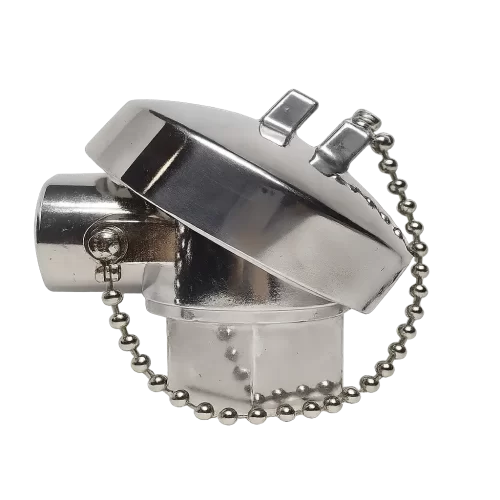
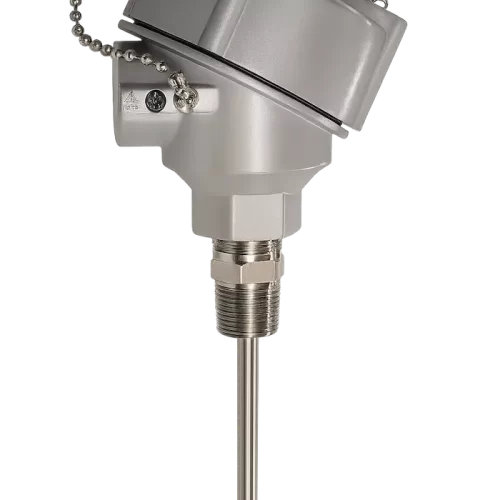
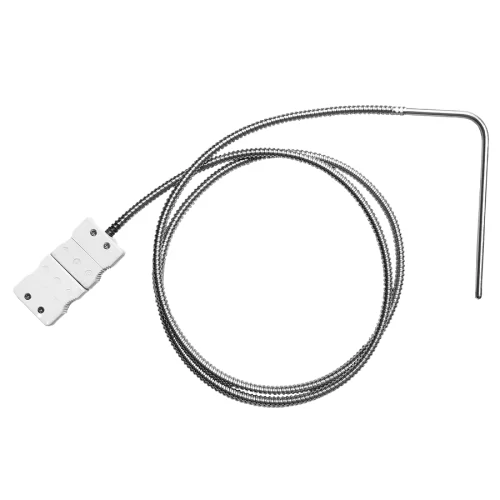
RTD wire is the wiring used to connect a Resistance Temperature Detector (RTD) sensor to a transmitter, controller, or data acquisition system. Its main role is to accurately carry the resistance signal from the RTD to the measurement device.
Key Features
1. Purpose
- Transfers the resistance changes of the RTD caused by temperature variations.
- Maintains accuracy by minimizing errors due to lead resistance.
2. Wire Configurations
- RTDs can be wired in 2-, 3-, or 4-wire configurations:
| Configuration | Wires | Purpose |
|---|---|---|
| 2-wire | Red / Red | Simplest, but lead resistance introduces small error |
| 3-wire | Red / Red / White | Compensates for lead resistance; most common industrial setup |
| 4-wire | Red / Red / White / White | Fully compensates lead resistance; used for highly precise measurements |
3. Materials & Insulation
- Conductors: Copper (most common), sometimes nickel for high
temperatures. - Insulation: PVC, PTFE, fiberglass, or ceramic depending on temperature rating.
4. Color Coding
- Standard IEC or DIN color codes:
- Red: usually negative/return leads
- White: positive leads
- Helps ensure correct wiring and accurate measurement
Advantages
- Allows accurate temperature measurement over distance.
- Enables lead resistance compensation in 3- and 4-wire RTDs.
- Protects sensor integrity in industrial environments.
Applications
- Industrial process control (chemical, petrochemical, food, pharmaceutical)
- Boilers, heat exchangers, furnaces
- Laboratory and precision measurement setups